
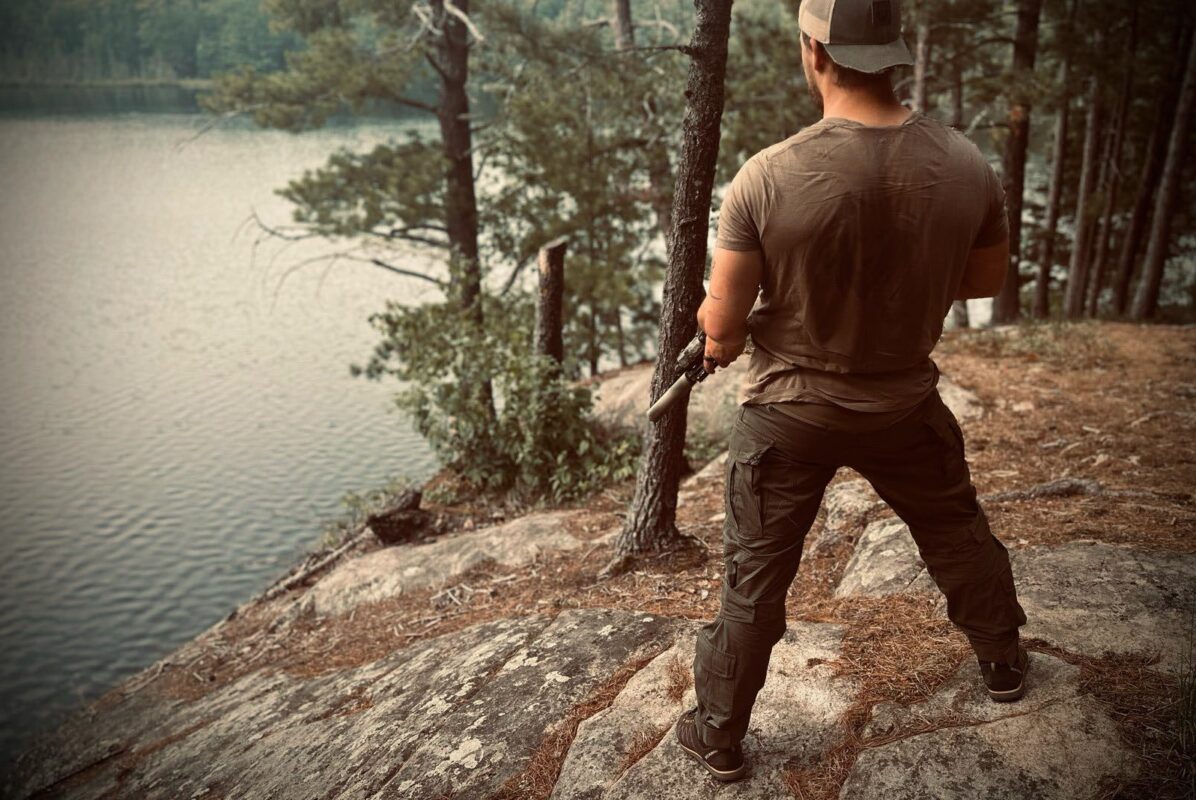
Most people never operate in the environments where minor issues quickly turn into real problems. These aren’t comfortable training areas or controlled scenarios. They’re remote, unpredictable places where heat, terrain, and fatigue all work together to degrade your performance.
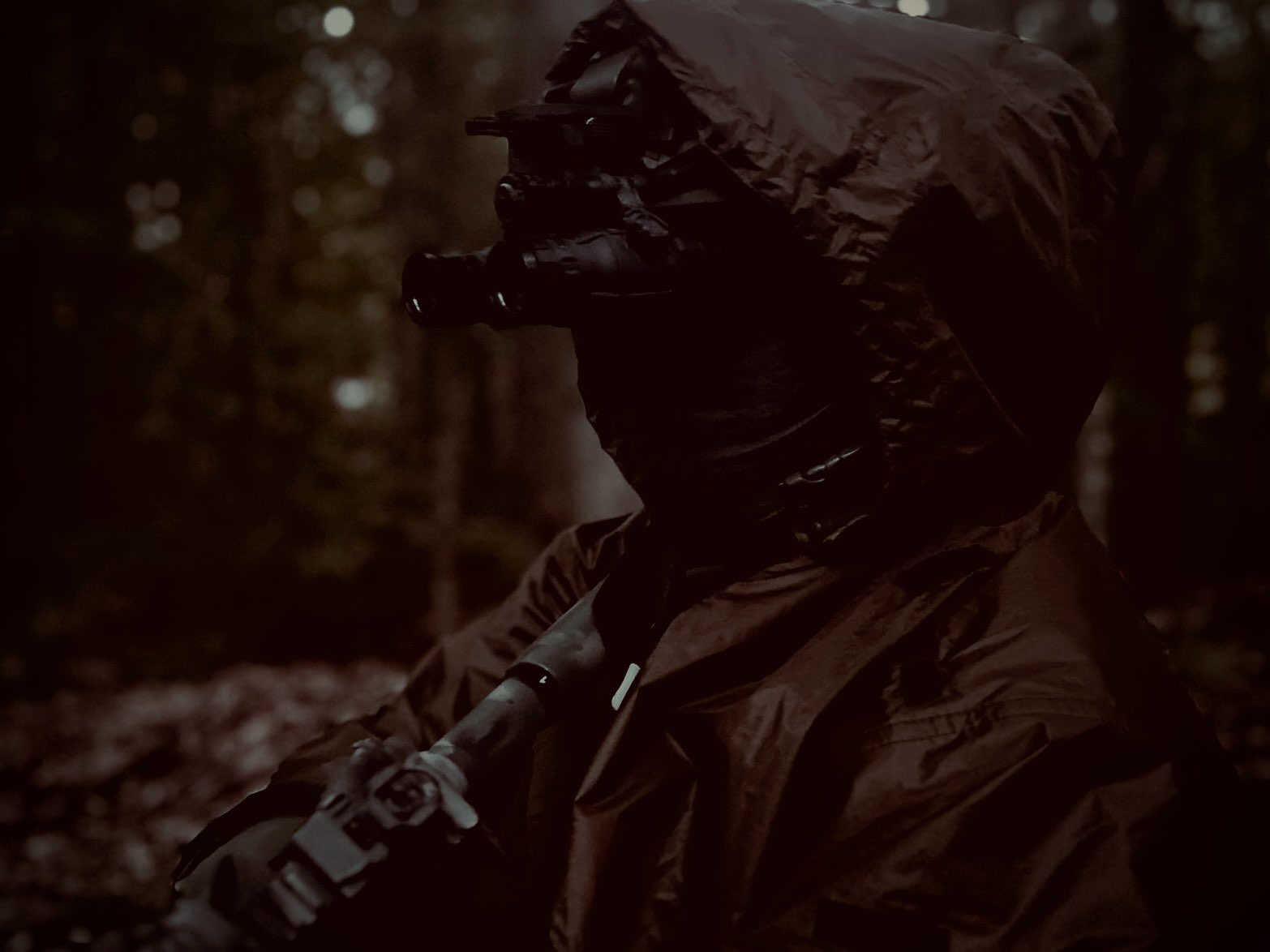
Extreme heat doesn’t just make you sweat — it slows decision-making and affects your ability to think clearly. The silence before contact isn’t cinematic; it’s the absence of information, forcing you to rely entirely on awareness and experience. And darkness isn’t just the lack of light. It hides movement, intent, and every variable you can’t afford to miss.
Distance adds another layer of reality. When you’re far from support, the long walk back isn’t a dramatic idea — it’s the plan. You solve your own problems with what you carried in.
Operating in these conditions shapes your behavior.
It changes how you plan, how you move, and how you allocate your energy. It also makes you far more deliberate about the equipment you choose. Every piece of gear must have a purpose, because anything unnecessary becomes weight, noise, or a failure point.
These environments teach a lesson most people never encounter: there is a big difference between equipment that looks tactical and equipment that actually performs when conditions tighten. One is cosmetic. The other keeps you alive.