
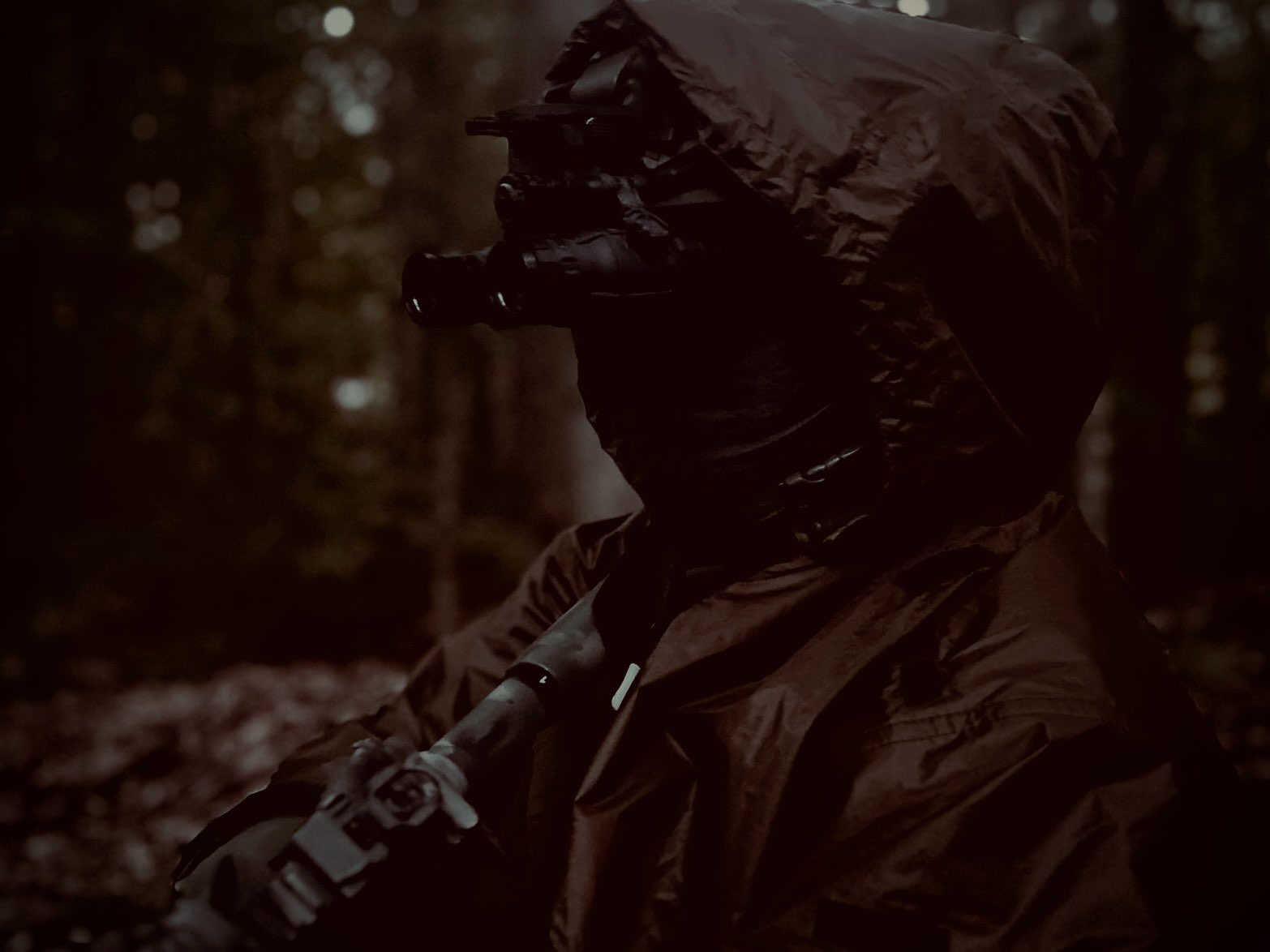

Amarock was created because there are professionals—both operators and conservation rangers—working in environments and carrying responsibilities that most people never see. Their jobs demand capability, reliability, and preparation, but the level of support they receive varies widely depending on their role, location, and available resources.
Special Operations teams require equipment that can evolve with their mission sets. Their tools must perform in complex, rapidly shifting environments where failure isn’t an option. The demands placed on them continue to grow, and their gear must keep pace with that reality.
Conservation rangers face a different but equally serious challenge. They are expected to protect vast territories, deter illegal activity, and safeguard ecosystems that cannot defend themselves. Yet they often do this with limited resources, minimal equipment, and little external support. Their responsibilities are enormous, but the capability provided to them rarely matches the weight of their job.
Amarock serves both communities because capability shouldn’t be determined by geography or budget. Conservation isn’t just science or policy—it’s a form of protection. And protection requires readiness, discipline, and equipment built with clear purpose and intention.
This is why Amarock’s next chapter focuses on the Americas. The regions we are moving into contain some of the world’s most threatened ecosystems, and the rangers working there are often the final barrier between biodiversity and irreversible loss. Our goal is to support them directly: through training, practical capability development, and equipment shaped by real operational experience.
The same philosophy that guides our product design—simplicity, reliability, and human-centered capability—will guide our work with ranger teams. The mission is straightforward: provide the tools and training needed to strengthen the people who stand on the last line of defense for the wild.